Source Disposable Tubular Elastic Bandage for Sports, Medical, and Home Use
Explore 30 listings for disposable tubular elastic bandage from verified Chinese manufacturers. Compare specifications including material, size, and sterilization options to find the right solution for wound care and support needs.
Key considerations
Products List


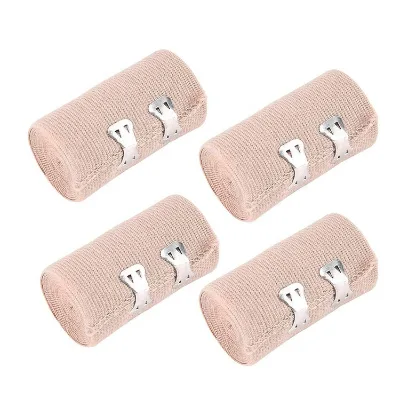


Comprehensive Sourcing Guide
Strategic Sourcing Guide for Disposable Tubular Elastic Bandages
The global market for disposable tubular elastic bandages has expanded significantly as healthcare providers and industrial safety teams prioritize efficient wound management and compression therapy. Sourcing these medical supplies requires a disciplined approach that balances technical performance, regulatory compliance, and supply chain reliability. Buyers must navigate a complex landscape where product attributes vary widely between manufacturers, even when the core keyword remains consistent. This guide provides a structured framework for evaluating potential suppliers, interpreting technical specifications, and ensuring that the final procurement meets the rigorous demands of clinical or industrial application.
Technical Specifications and Material Composition
The foundation of a successful procurement strategy lies in a precise understanding of the technical specifications that define the product's utility. For disposable tubular elastic bandages, the material composition is the primary determinant of performance. Observed market data indicates a prevalent use of blends such as 85% Cotton with 15% Spandex, which offers an optimal balance of breathability and elasticity. Alternatively, some listings specify Non-Woven or Cotton/Spandex combinations, suggesting that buyers must verify the exact fiber ratio to ensure the desired stretch and recovery properties. The weight of the fabric is another critical metric, with observed values ranging from 75g/m² to 90g/m². This variance directly impacts the bandage's thickness, durability, and ability to provide consistent compression without slipping.
Dimensions are equally vital for matching the product to specific anatomical sites or industrial needs. The width of these bandages typically ranges from 2 inches to 6 inches, or in metric terms, 2.5cm to 15cm. Length specifications are equally variable, with standard offerings including 4m, 4.5m, 5m, and 6m rolls. Buyers should note that some suppliers list specific models, such as GT087-100 or GT083-100, which may correspond to distinct dimensional profiles or material densities. When evaluating a supplier, it is essential to request a detailed specification sheet that confirms the exact width, length, and weight of the product, as these parameters dictate the coverage area and the number of rolls required for a given procedure.
Compliance and Certification Verification
Regulatory compliance is non-negotiable in the medical device sector. The supply chain for disposable bandages must be scrutinized for adherence to international standards. High-confidence data from the market indicates that products often carry certifications such as FDA, ISOCE, and CE. Furthermore, specific standards like ISO13485 and EN14683 are frequently cited as benchmarks for quality management and surgical supplies materials. However, buyers must treat these certifications as observations of specific listings rather than universal guarantees for all products within a category. A supplier may claim FDA compliance for one product line while offering non-sterile, non-certified items for another.
The distinction between sterile and non-sterile products is a critical compliance factor. Some listings explicitly state "Sterile" while others indicate "Non-Sterile" or "Without Ethylene Oxide Sterilization." The sterilization method, particularly Ethylene Oxide, is a key differentiator. If the intended application involves open wounds or surgical settings, the bandage must be sterile and processed via validated methods. Buyers should verify the presence of a Certificate of Analysis (CoA) and ensure that the supplier can provide traceability for the sterilization process. Relying on a supplier's general claim of "FDA" without verifying the specific product model and its regulatory status can lead to significant compliance risks.
Cost Drivers and Pricing Dynamics
Understanding the cost structure of disposable tubular elastic bandages is essential for budgeting and negotiating effectively. The observed price range in the market spans from $0.01 to $12.50 per unit, a wide variance that reflects differences in material quality, packaging, and order volume. The primary cost drivers include the raw material composition, with high-quality cotton-spandex blends commanding a premium over non-woven alternatives. The weight of the fabric also influences cost, as heavier gauges (e.g., 90g/m²) require more raw material than lighter variants (e.g., 75g/m²).
Packaging plays a significant role in the final price. Listings show variations from individual PE bags to export cartons containing 24 rolls per box and 12 boxes per carton. Bulk packaging reduces the per-unit cost but requires adequate storage space and logistics planning. Minimum Order Quantity (MOQ) is another critical factor affecting unit pricing. While some suppliers offer low MOQs starting at 1 unit, others, particularly those specializing in large-scale medical supply, may require orders of 10,000 rolls or more. Buyers should anticipate that larger volume orders will yield lower per-unit costs, but they must balance this against inventory holding costs and cash flow constraints.
Typical Applications and Functional Requirements
The functional versatility of disposable tubular elastic bandages makes them suitable for a diverse range of applications. The primary function observed in the market is Hemostasis, indicating their use in controlling bleeding and supporting wound closure. However, other listings highlight "Waterproof" capabilities, suggesting specialized applications where moisture resistance is required. The "Disposable" feature is a standard attribute, emphasizing the single-use nature of the product to prevent cross-contamination.
Color options also play a role in application suitability. While "Natural" and "Flesh" tones are common for general wound care to maintain a discreet appearance, listings also include White, Green, Yellow, Red, and Blue. These color variations may serve specific hospital protocols for infection control or to denote different compression levels. The "Customization" attribute is available in the market, allowing buyers to request specific colors, logos, or packaging configurations. This flexibility is particularly valuable for healthcare networks that require branded medical supplies or specific color-coding systems for different departments.
Supplier Evaluation and Origin Analysis
Evaluating suppliers requires a careful assessment of their geographic origin and production capabilities. The majority of the observed supply originates from China, with specific manufacturing hubs identified in Zhejiang, Jiangsu (Yangzhou), and Hubei. Each region may have different specializations; for instance, Zhejiang is known for textile manufacturing, while Jiangsu often hosts medical device production facilities. Buyers should verify the specific location of the manufacturing plant to assess logistics lead times and potential trade barriers.
When evaluating a supplier, it is crucial to look beyond the product listing and examine their operational capacity. Factors such as the ability to handle large MOQs, the consistency of their production lines, and their quality control protocols are essential. The presence of specific product models like "EB-1" or "Adhesive Elastic Bandage" suggests that the supplier has a dedicated production line for these items. Buyers should request evidence of their production capacity and ask for references from other clients who have purchased similar volumes. Additionally, the availability of "With Logo Printing" services indicates a supplier's willingness to engage in custom branding, which can be a differentiator for procurement teams looking to standardize their medical inventory.
Quality Control and Long-Term Procurement
Ensuring consistent quality is paramount for long-term procurement success. The market data indicates that quality is often defined by specific standards such as "75G/M2, 80G/M2, 85G/M2, 90G/M2" and adherence to "CE, ISO13485, FDA" standards. Buyers must implement a robust quality control process that includes incoming inspection of the bandages for defects, consistent weight, and proper elasticity. The "Filter Rating: Normal" attribute suggests that some products may have filtration properties, which should be verified through independent testing if the application requires high levels of barrier protection.
Long-term procurement considerations involve building a resilient supply chain. Buyers should diversify their supplier base to mitigate risks associated with single-source dependencies. Establishing clear communication channels and agreeing on strict quality assurance protocols before the first order is placed can prevent costly disruptions. The "Export Carton" and "1 Roll/Package" packaging standards suggest that logistics efficiency is a key consideration. Buyers should negotiate terms that include clear labeling, proper documentation, and reliable shipping schedules to ensure that the supply chain remains uninterrupted.
Comparative Analysis of Product Attributes
To facilitate decision-making, the following table summarizes the key attributes observed in the market for disposable tubular elastic bandages. This comparison highlights the variability in specifications and helps buyers identify the specific requirements for their procurement needs.
| Attribute Category | Observed Variations | Key Considerations for Buyers |
|---|---|---|
| Material | 85% Cotton/15% Spandex, Non Woven/Cotton, Cotton/Spandex | Verify fiber ratio for breathability and stretch; check for hypoallergenic properties. |
| Weight | 75g/m², 80g/m², 85g/m², 90g/m² | Heavier weights offer more compression; lighter weights are more breathable. |
| Dimensions | Width: 2"-6" (2.5-15cm); Length: 4m-6m (4.5m, 10m) | Match dimensions to the specific body part or application area. |
| Sterilization | Sterile, Non-Sterile, Ethylene Oxide, Without Sterilization | Confirm sterilization method based on wound type and regulatory requirements. |
| Certifications | FDA, ISOCE, CE, ISO13485, EN14683 | Verify specific certifications for the product model; do not assume universal compliance. |
| Packaging | PE Bag, Export Carton, 1 Roll/Package, 24 Rolls/Box | Assess packaging for storage efficiency and protection during transit. |
| Origin | China (Zhejiang, Jiangsu, Hubei) | Consider lead times and logistics based on the specific manufacturing region. |
In conclusion, sourcing disposable tubular elastic bandages requires a meticulous approach that integrates technical specifications, regulatory compliance, and supply chain logistics. By focusing on the specific attributes outlined in this guide, buyers can make informed decisions that ensure the safety, efficacy, and reliability of their medical supplies. The variability in the market underscores the importance of detailed verification and clear communication with suppliers to meet the unique demands of each procurement project.
FAQs
What certifications are available for these bandages?
Available certifications include FDA, ISOCE, CE, and ISO13485. Buyers must verify that specific product models like GT087-100 carry these certifications, as compliance varies by listing and is not universal across all suppliers.
Which materials are used for disposable tubular elastic bandages?
Common materials include 85% Cotton with 15% Spandex, Non Woven/Cotton, and Cotton/Spandex blends. The specific fiber ratio determines the elasticity and breathability, so buyers should confirm the exact composition before ordering.
Can I customize the color and logo of the bandages?
Customization is available for colors like Natural, Flesh, White, Green, and Skin Color, as well as logo printing. Suppliers offer these options to meet specific hospital protocols or branding requirements for medical inventory.
What are the standard dimensions for these elastic bandages?
Standard widths range from 2 inches to 6 inches, with lengths typically available in 4m, 4.5m, 5m, and 6m rolls. Specific models like EB-1 may have unique sizes, so checking the specification sheet is essential.
How does the MOQ affect the pricing of these products?
MOQs vary widely from 1 unit up to 10,000 rolls, directly influencing the unit price. Larger orders often yield lower costs, but buyers must balance volume discounts against their inventory holding capacity and cash flow constraints.
Are these bandages available in sterile or non-sterile forms?
Products are available in both sterile and non-sterile forms, with some undergoing Ethylene Oxide Sterilization. Buyers must explicitly confirm the sterilization status for each model, as open wound care requires sterile, validated processing.
Where are the manufacturers of these bandages located?
Manufacturers are primarily located in China, with hubs in Zhejiang, Jiangsu, and Hubei provinces. Buyers should verify the specific origin to assess logistics lead times and potential trade barriers for their supply chain.